Caring For Our Wetland Buffers
Protecting and improving our wetlands through science-based care and design.
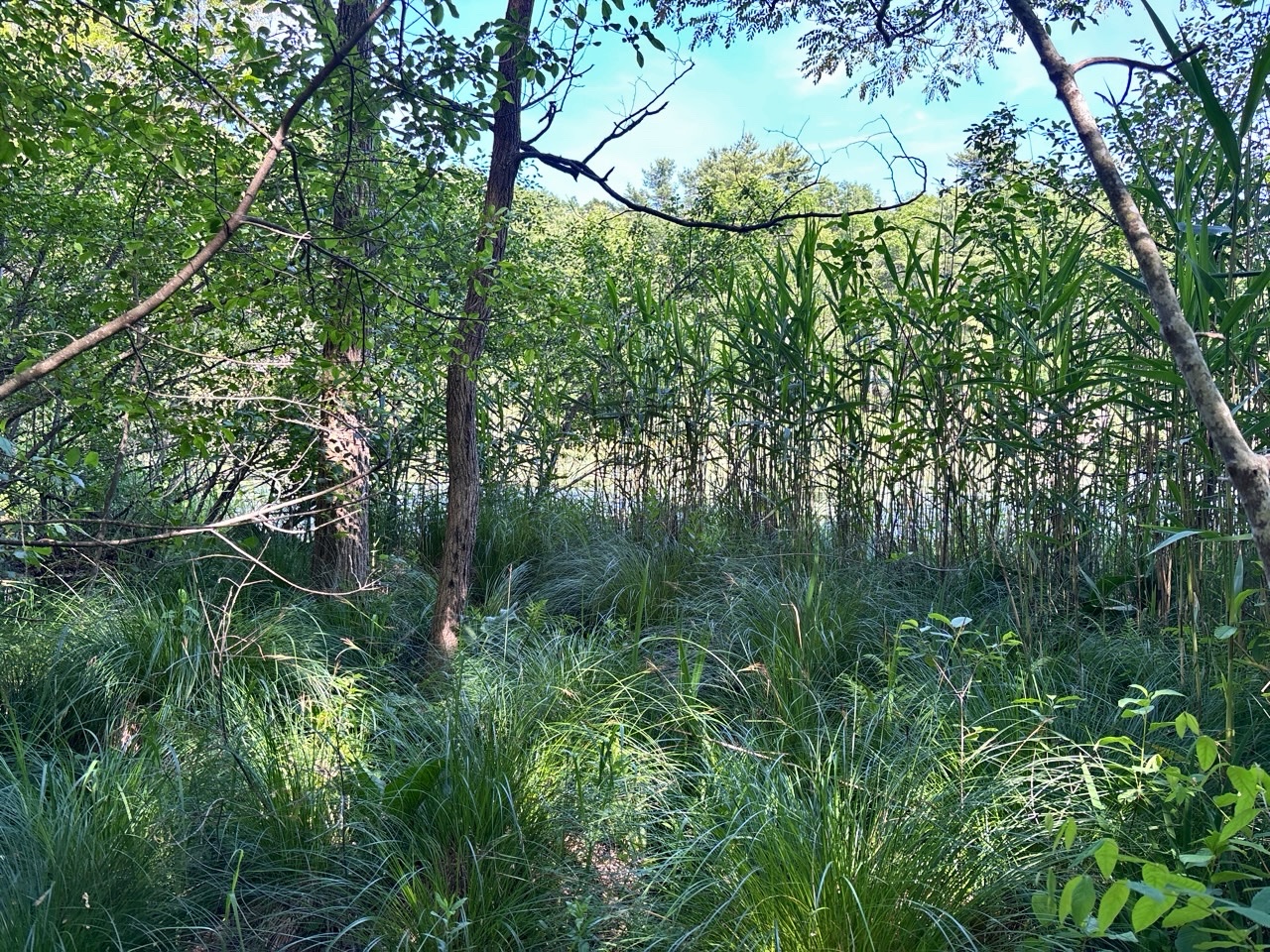
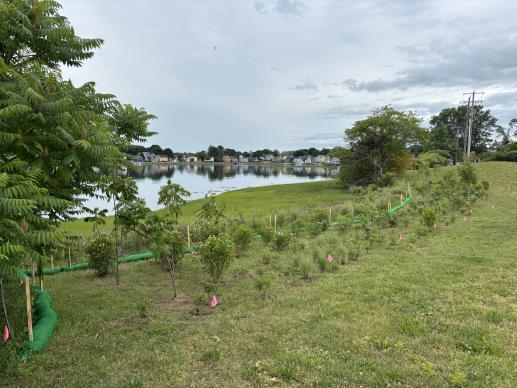
Have you seen our newest wetland buffer demonstration sites?
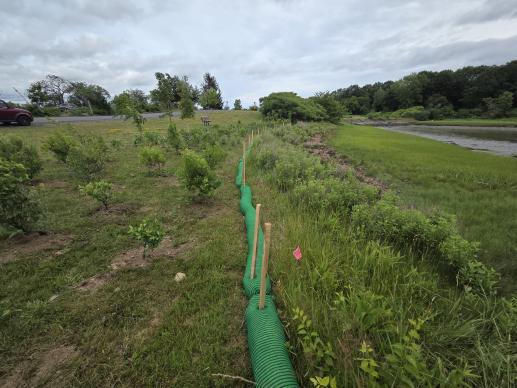
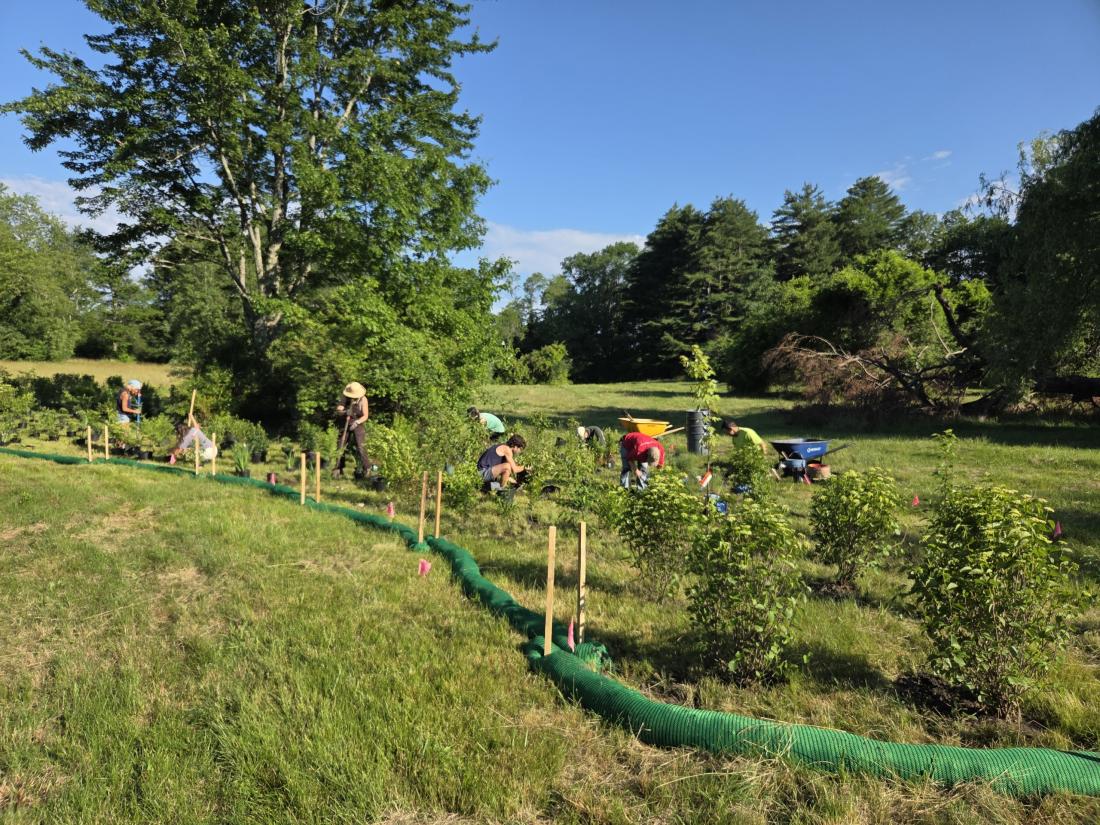
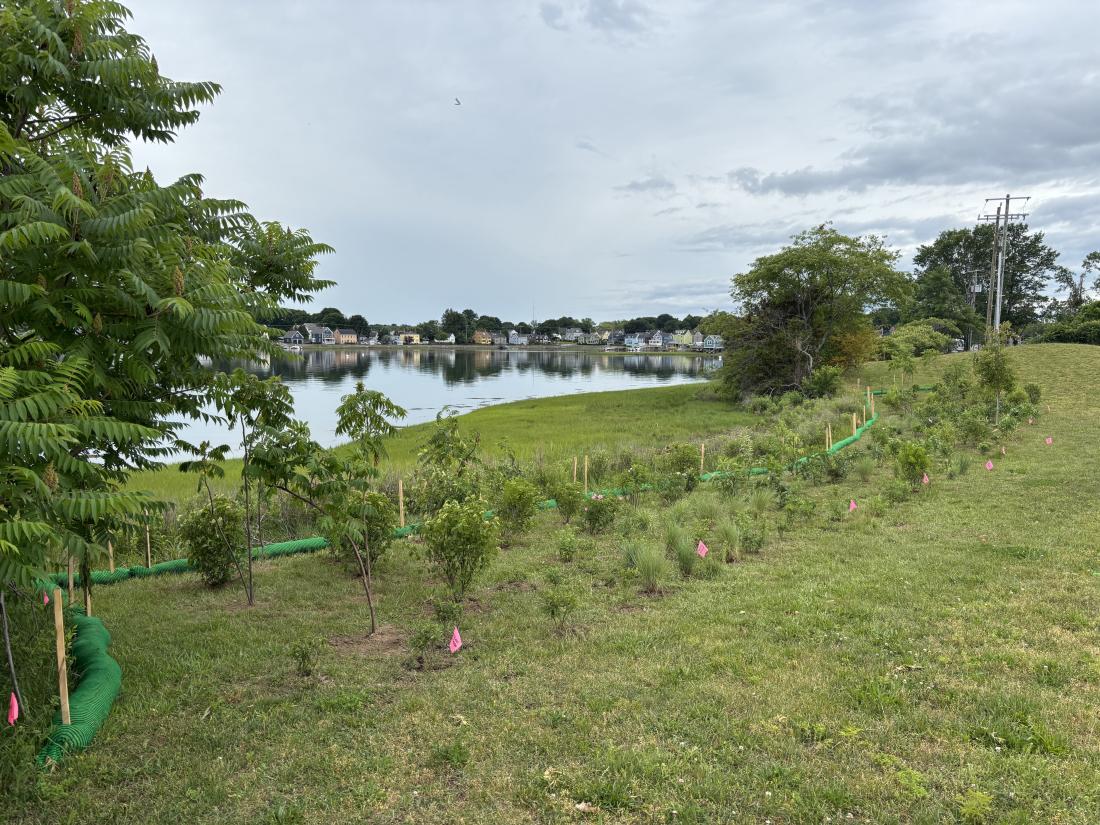
If you are interested in learning more about what a wetland buffer should look like when its planted, and how it might grow in, check out the newly planted buffer areas at Peirce Island and at 850 Banfield Road. These two areas provide a slight juxtaposition between an inland freshwater wetland buffer and that of a tidal buffer. Both areas received plants in June of 2026, with more salt-tolerant species out at Peirce Island compared to those at Banfield Road.
What Are Wetlands & Buffers?
In Portsmouth, we have multiple types of wetlands. Many of these resources run through our backyards, around our schools, flow into our conservation lands or even appear in the springtime to provide flood storage for a few weeks before drying up in the mid-to late summer.
Freshwater wetlands
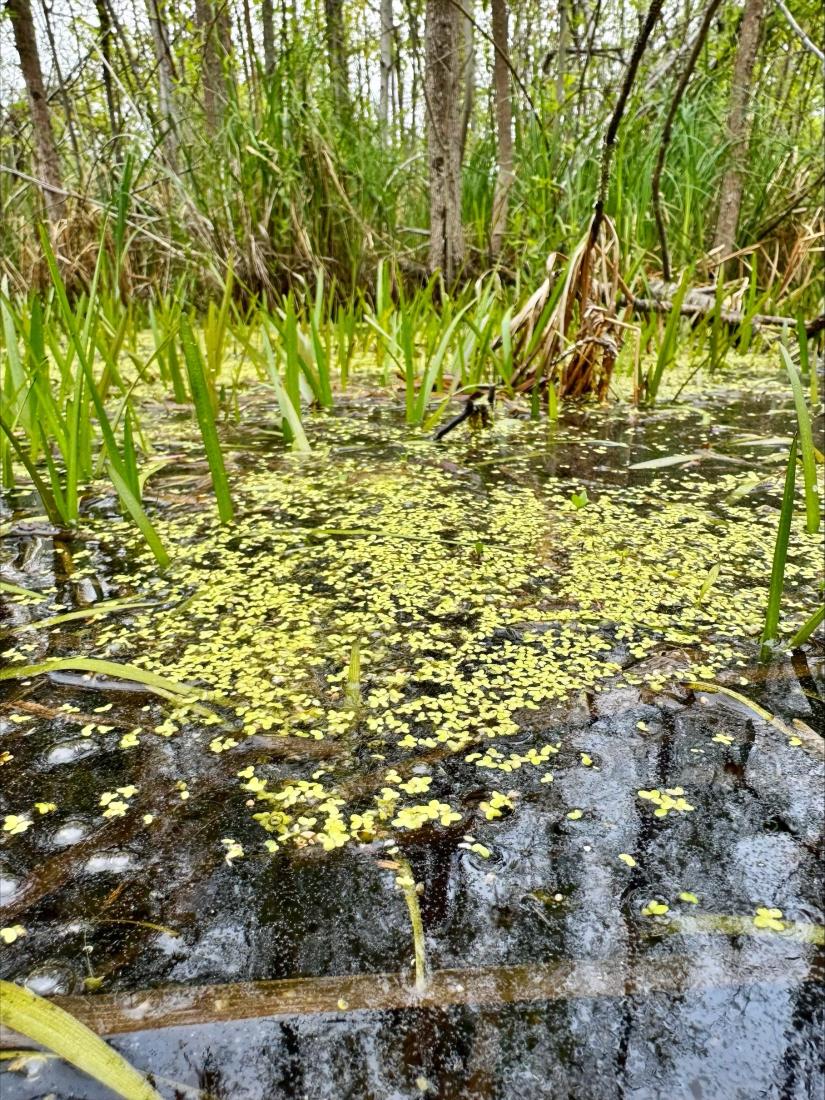
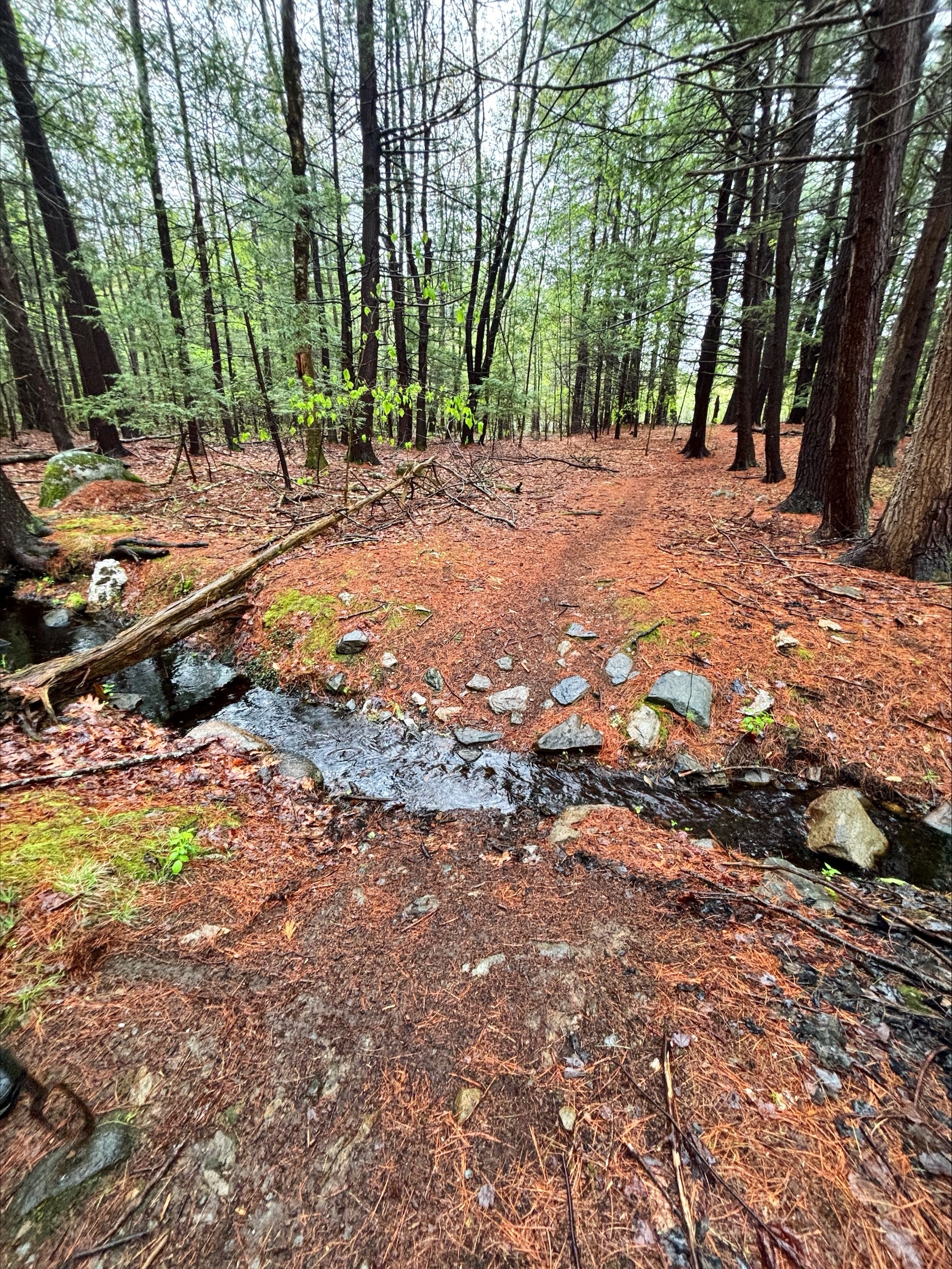 A freshwater wetland is an inland area where water—such as a pond, lake, stream, brook, or adjacent marsh or swamp—covers the soil or is present at or near the surface for at least part of the year, creating conditions that support water-loving plants and wildlife. These wetlands play a critical role in maintaining water quality, storing floodwaters, recharging groundwater, and providing habitat for a wide range of species.
Freshwater wetlands are sensitive because their health depends on a delicate balance of hydrology, vegetation, and water chemistry. Disturbances such as filling, dredging, pollution, stormwater runoff, or alterations to natural drainage patterns can degrade water quality, disrupt habitat, and impair their ability to capture and filter pollutants. Impacts in the surrounding upland buffer—such as vegetation removal or development—can further increase erosion, reduce natural filtration, and introduce contaminants. Protecting freshwater wetlands and their buffers is essential to preserving clean water, reducing flood risks, and sustaining the ecological integrity of these valuable resources.
Tidal wetlands
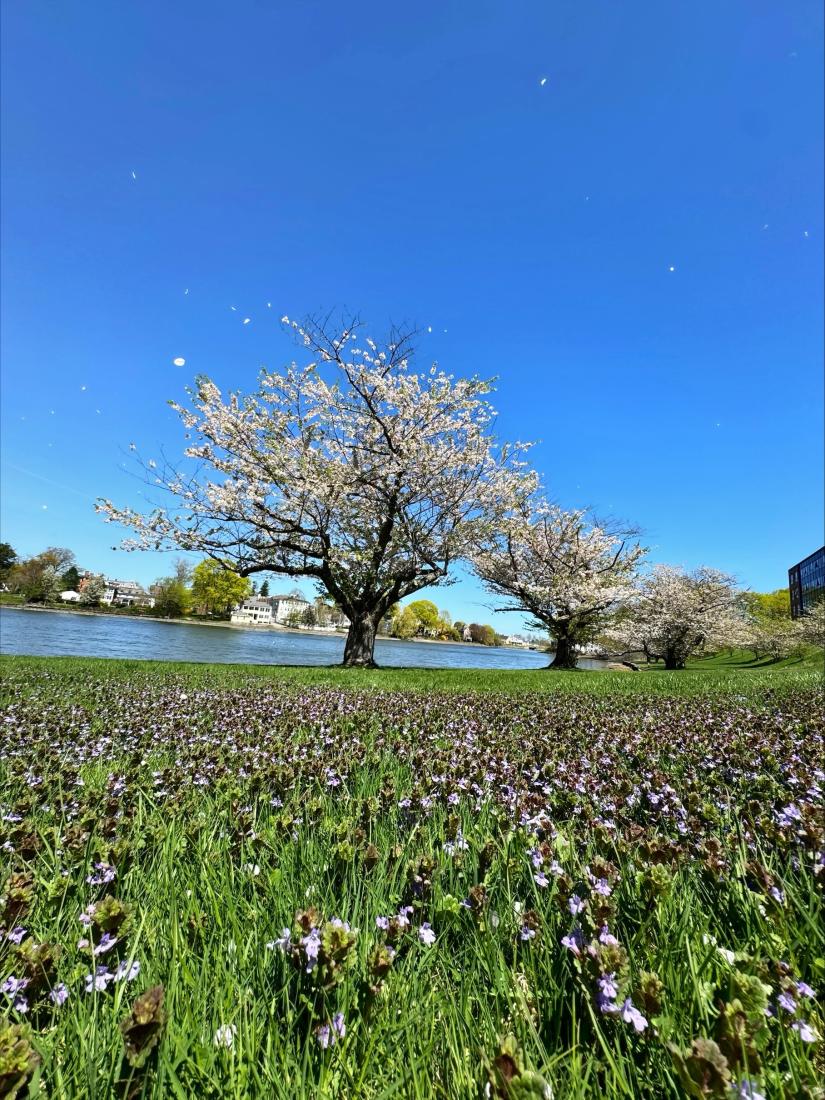
Tidal marshes – including the salt marshes along the coast and bays, and the brackish marshes along our tidal rivers – are some of New Hampshire’s most valuable natural features. They buffer storm impacts, support wildlife and frame iconic coastal views. Salt-tolerant marsh grasses have deep, dense roots that stabilize shorelines and protect nearby properties, but these unique plants need space and a gentle touch to stay healthy.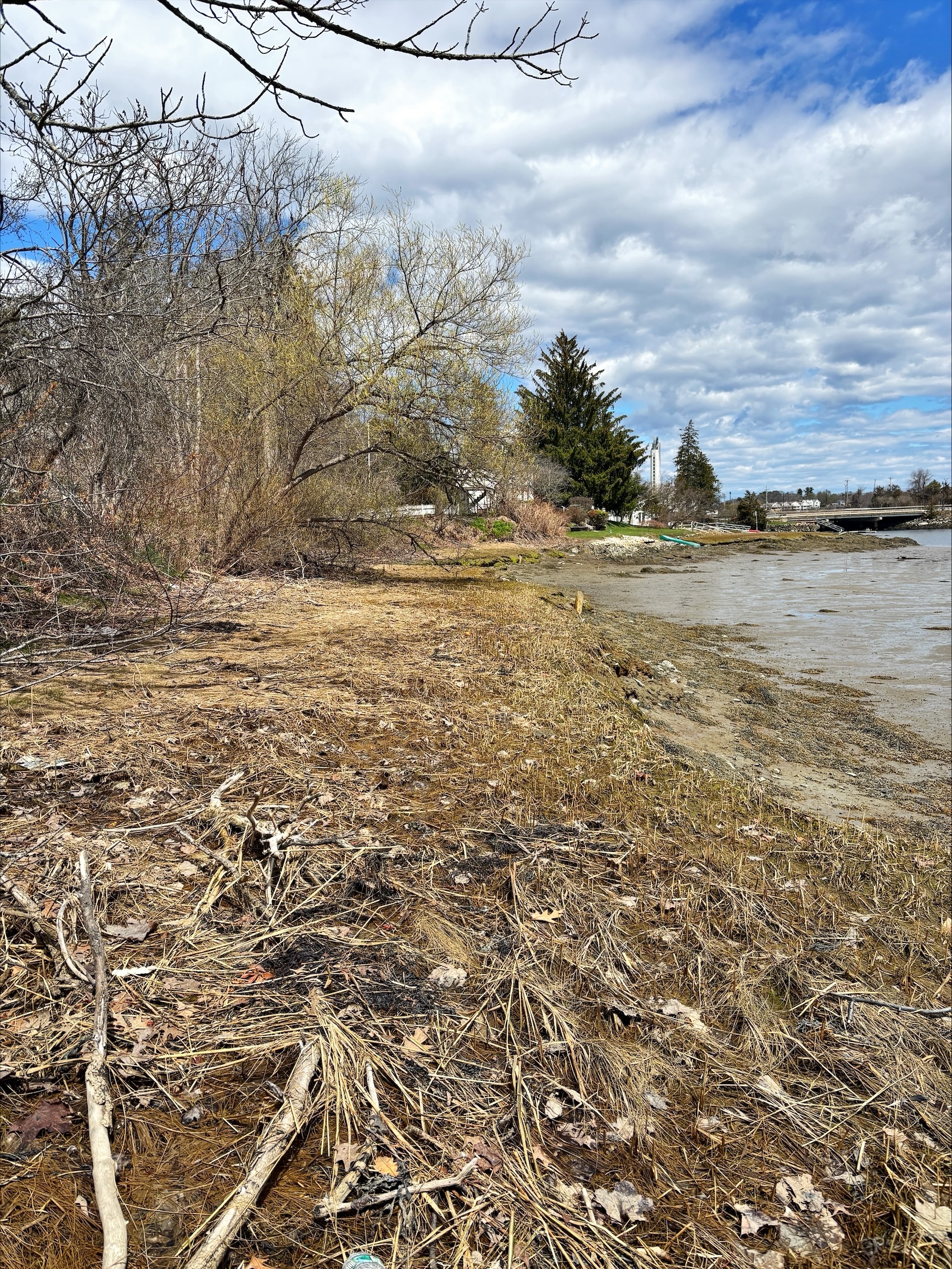
New Hampshire's salt marshes are threatened by coastal development, stormwater pollution and the effects of a changing climate. How we build and live on the land next to a salt marsh will affect whether marsh grasses are able to thrive and continue protecting people and homes. Unlike our lawns, marsh grasses and soils are easily damaged by compression, shading and strong waves. Over time, small impacts will weaken grasses, and without their healthy root systems, marsh soils will erode, leaving the shoreline more vulnerable to storms and rising sea levels. To find more information on NH tidal wetlands and caring for tidal buffers, please visit Caring for Our Marshes (A NHDES webpage).
(Information sourced from NHDES' Caring for Our Marshes webpage)
Vernal pools
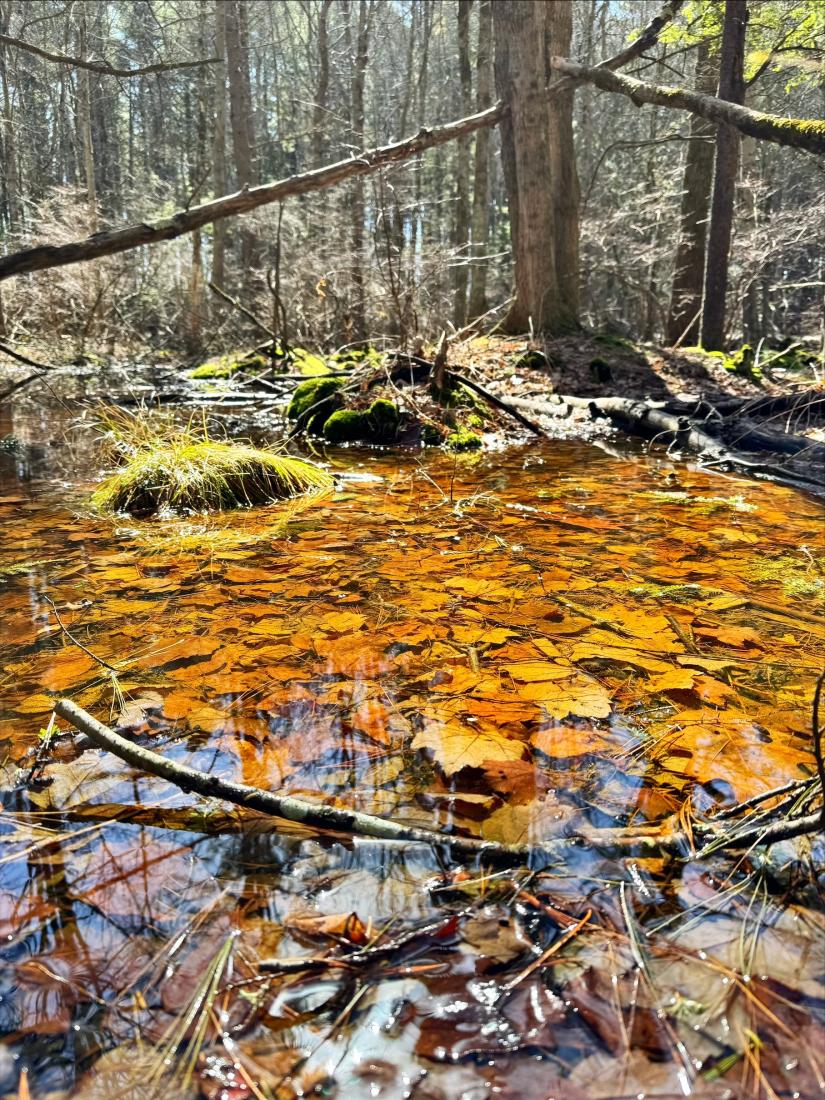
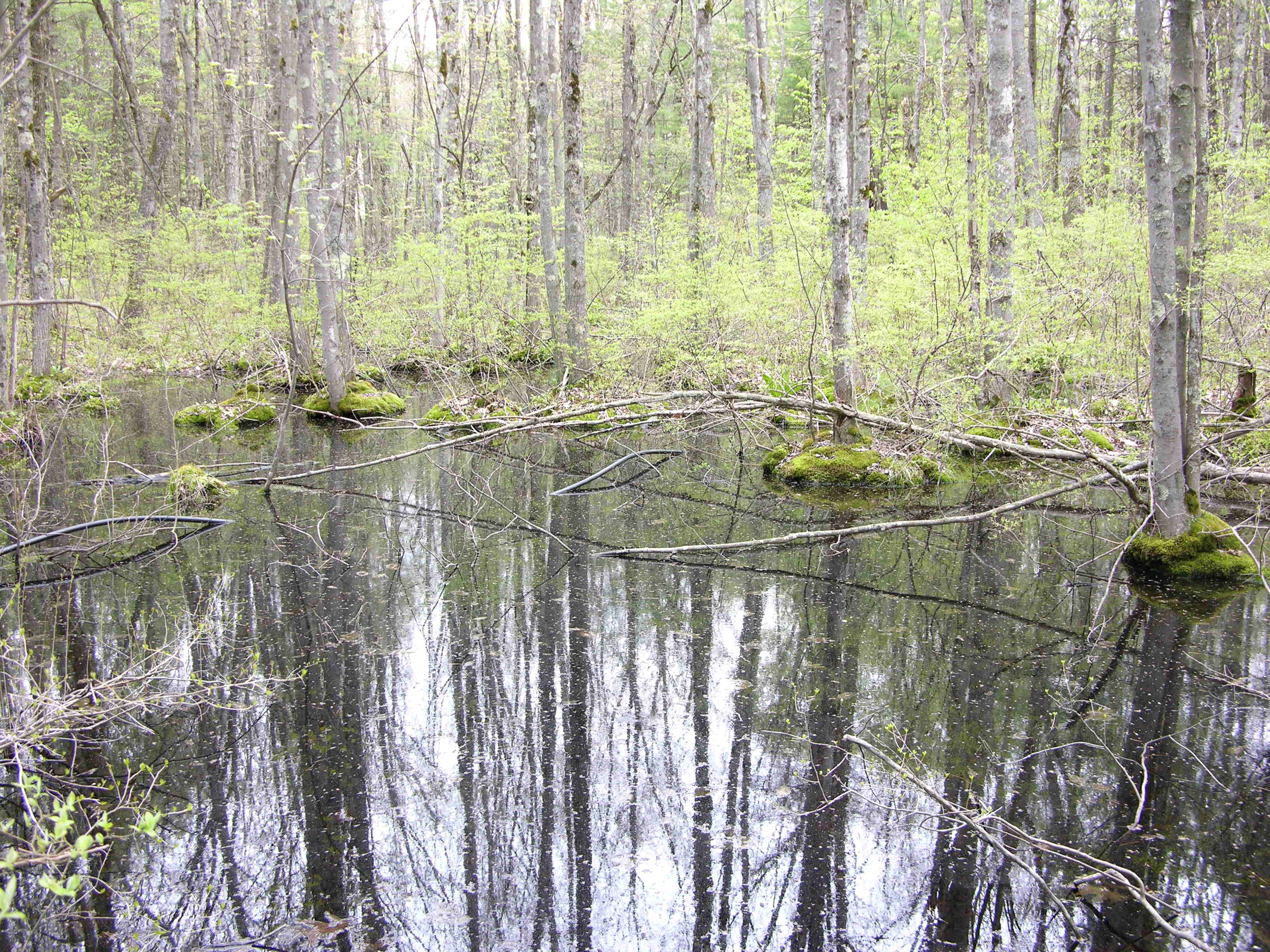 A vernal pool is a small, seasonal wetland that typically fills with water in the spring from rain, snowmelt, and rising groundwater, and then gradually dries out by late summer. Because they lack a permanent connection to streams or larger water bodies, vernal pools do not support fish populations—a characteristic that makes them vital breeding habitat for certain amphibians and invertebrates, such as wood frogs, spotted salamanders, and fairy shrimp, that rely on fish-free conditions to reproduce. Vernal pools are especially sensitive because their ecological function depends not only on the pool itself but also on the surrounding upland buffer, where many species spend most of their life cycle.
Even small disturbances—such as filling, grading, removal of surrounding vegetation, or changes to drainage patterns—can disrupt hydrology, reduce water quality, fragment habitat, and ultimately prevent wildlife from successfully breeding. Protecting both vernal pools and their adjacent upland areas is therefore essential to maintaining the unique biodiversity and ecological health of these important wetland systems. To find out more about vernal pools in NH, please visit the UNH Extension webpage.
Wetland Buffers
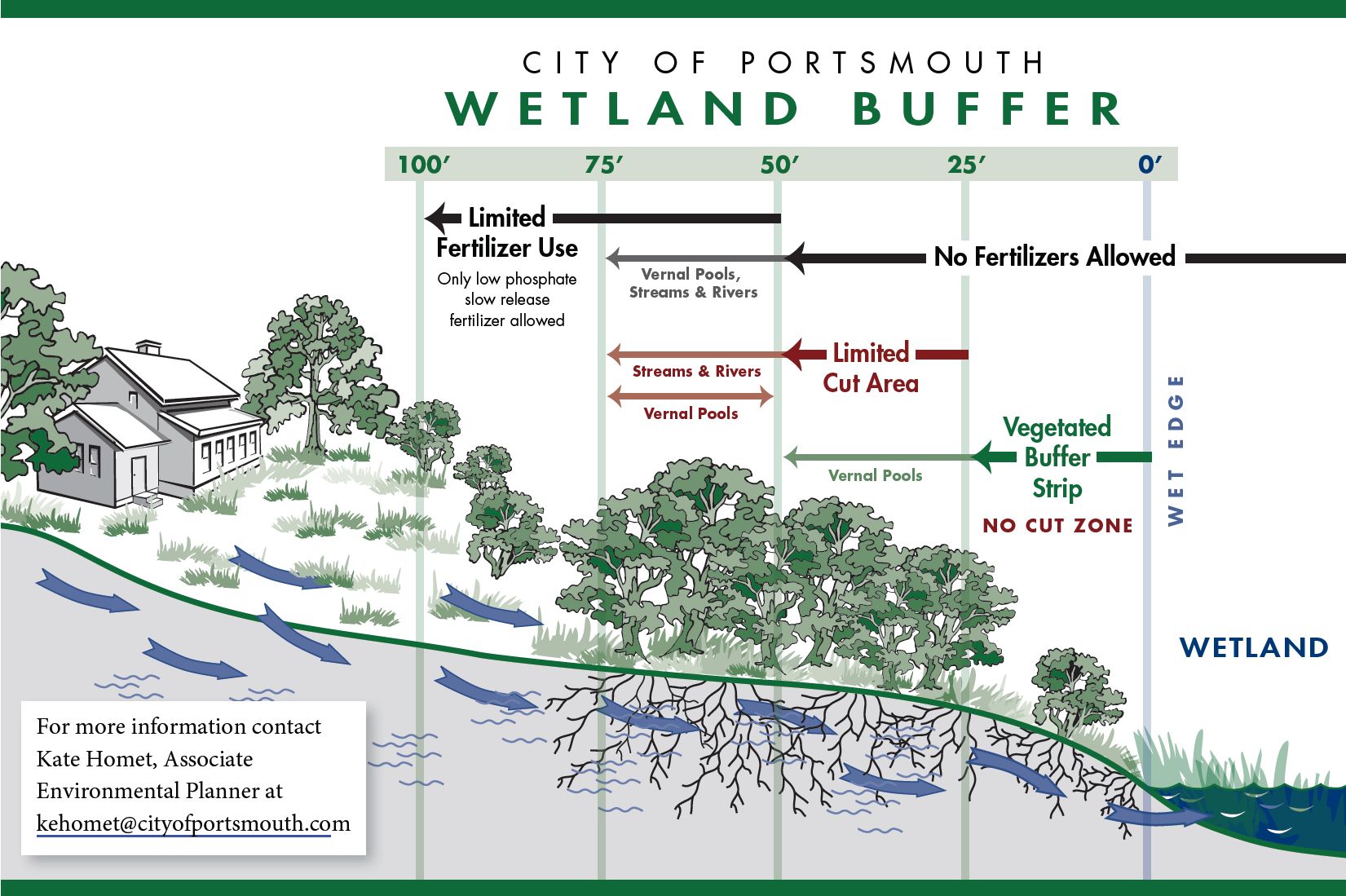
A wetland buffer is a vegetated area of land surrounding a wetland that acts as a protective zone between the wetland and nearby development or land use. Its function is to filter pollutants, absorb runoff, reduce erosion, and provide additional habitat, helping maintain the health and ecological integrity of the wetland.
Wetland Stewardship & Care
One of the easiest ways to care for the wetlands in Portsmouth? Create a vegetated buffer!
Wetland buffers are the natural, vegetated areas surrounding wetlands that serve as a critical protective transition between these sensitive resources and nearby land uses. These buffers help maintain the health and function of wetlands by filtering pollutants from stormwater runoff, stabilizing soils to prevent erosion, moderating water temperature, and slowing the flow of water entering the wetland. A well-vegetated buffer—comprised of native trees, shrubs, and groundcover—is especially important because it provides the greatest capacity to absorb and filter contaminants, reduce flooding, and support wildlife habitat.
Many species depend on these upland areas for nesting, feeding, and shelter, even if they rely on wetlands for breeding or part of their life cycle. Disturbance or removal of buffer vegetation can lead to increased runoff, degraded water quality, habitat loss, and reduced resilience to storms and climate impacts. Protecting and maintaining robust, vegetated wetland buffers is therefore essential to preserving both the ecological integrity of wetlands and the valuable services they provide to the community.
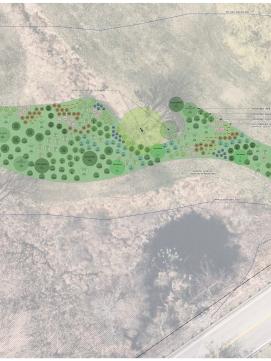
Wetland Buffer Planting Plan Catalog
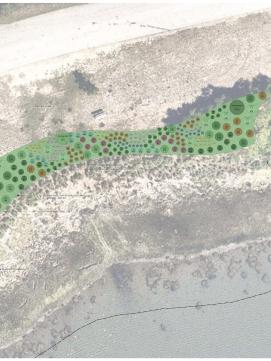
Wetland Buffer Management Catalog
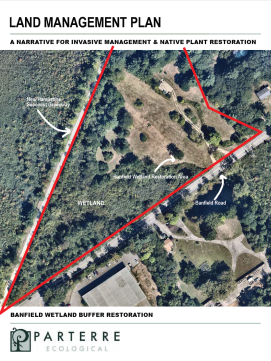
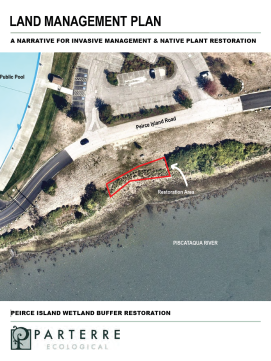
For Property Owners with Wetland Buffers
Do:
Maintain natural vegetation—allow native trees, shrubs, and plants to grow to support filtration and habitat.
Remove invasive species by hand to minimize soil disturbance and the spread of seeds (see below for best management practices of invasive species)
Leave the buffer undisturbed as much as possible to protect water quality and wildlife.
Plant native species if restoration is needed to strengthen the buffer’s function.
Direct runoff away from the wetland using rain gardens or infiltration practices.
Keep yard waste, leaves, and debris out of the buffer and wetland.
Don’t:
Do not mow or clear-cut vegetation within the buffer, as this reduces its protective value.
Do not apply fertilizers, pesticides, or herbicides, which can wash into the wetland and harm water quality and wildlife.
Do not dump grass clippings, yard waste, or fill material in the buffer or wetland.
Do not alter drainage patterns (e.g., redirecting stormwater or installing drains) without proper review.
Do not build structures, patios, or storage areas within the buffer.
Following these practices helps preserve water quality, reduce flooding, and maintain the habitat values that wetlands and their buffers provide.
Common activities that require review by the Planning & Sustainability Department, or may require a Wetland Conditional Use Permit:
Do you have a wetland or part of a wetland buffer on your property? In Portsmouth, wetlands that are greater than 10,000 square feet in area automatically have a 100 foot buffer in place that creates a zone of restriction around a sensitive wetland area. This buffer, and the wetland resource itself, come under protection in the City of Portsmouth Zoning Ordinance which provides these areas with a restriction on building, dumping, soil disturbance, vegetation disturbance, and other land management or development activities.
To find out if your property has a wetland or 100 foot buffer on it, you can check out the City's wetland map on MapGeo. Just type in your address and then under 'Themes', toggle on the 'Wetlands' layer. Follow the legend instructions to see if you have wetlands and wetland buffers crossing your property.
To determine if a wetland permit is needed for work on your property, we recommend reaching out to the City of Portsmouth Planning & Sustainability Department or reading through Article 10: Environmental Protection Standards in the City of Portsmouth Zoning Ordinance, for guidance.
Invasive Species Management
When working in a wetland or wetland buffer, it is important to manage invasive species. Managing invasive species in wetlands and their buffers is critical because these non-native plants and animals can quickly outcompete native species, reducing biodiversity and disrupting the natural balance of these sensitive ecosystems. Invasive species often grow aggressively, forming dense stands that crowd out native vegetation that wildlife depends on for food, shelter, and breeding. This loss of native plant diversity can weaken the buffer’s ability to filter pollutants, stabilize soils, and absorb stormwater. In wetlands, invasive species can also alter water flow, degrade habitat quality, and limit the success of native amphibians, birds, and other wildlife. Early detection and removal of invasive species—along with replanting native vegetation—helps maintain the ecological health, resilience, and protective functions of both wetlands and their surrounding buffers.
In Portsmouth, there are regulations on how to remove of invasive species safely and in a manner that minimizes disturbance to wetlands, buffers and nearby soils. For questions about removing and disposing of invasive species in Portsmouth, please reach out to the Planning & Sustainability Department. For best practices for invasive species management outside of these sensitive wetland areas, check out the UNH Extension page on invasive species.
Portsmouth Regulations & Local Requirements
To find out more about permitting a project in a wetland or wetland buffer in Portsmouth, check out the Conservation Commission webpage along with the Wetland Conditional Use Permit Instructions webpage.
Still have questions? Reach out to the Planning & Sustainability Department at (603) 610-7216 or at planning@portsmouthnh.gov or to the Staff Contact listed below: