Residents are invited to participate in a brief survey sharing their personal experiences with heat in Portsmouth.
We’re offering several survey options so you can choose the method that works best for you:
Two FlashVote surveys will be released this spring—one in early March and a follow‑up in early April. Community members are encouraged to participate in both. Signing up with FlashVote ensures you’ll be notified as soon as each survey opens.
An online survey form is available for a deeper dive into heat-related impacts and for anyone who prefers to share feedback directly at their own pace.
A hardcopy survey is available. If you would like a paper copy for yourself or a small stack to hand out to members of your community, please contact a staff member listed at the bottom of this page and we can provide materials for you with drop off and pickup services.
- A Conversation with staff is also an option. Residents can speak directly with members of the Planning & Sustainability Department to share their experiences. Staff contact information is provided at the bottom of this page.
By sharing your experiences, you can help inform future planning efforts and support strategies to make Portsmouth a safer, healthier and more heat resilient place to live.
Did You Know?
Heat stress is a heat-related illness caused by your body’s inability to cool down properly.
- Extreme heat events are the most common cause of weather-related deaths in the United States. (NHDHHS 2018)
- Portsmouth’s Climate Action plan, Portsmouth’s climate future outlines critical steps in improving Citywide Heat-Health including activating public health warnings, cooling centers, and other relief measures for when air temperature exceeds 90 degrees for prolonged periods. (Portsmouth’s Climate Future)
- The NH Environmental Public Health tracking to update the NH State Heat Plan which helped stakeholders develop targeted outreach materials for vulnerable populations. The tracking program also developed a policy to ensure that an Excessive Heat Advisory would be put out to the public on days that are at least 95 degrees for two consecutive days or 100 degrees for any length of time. Because heat stress can increase the risk of morbidity and mortality, alerting residents in the wake of extreme heat can help prevent these health risks. (NHDHHS 2015)
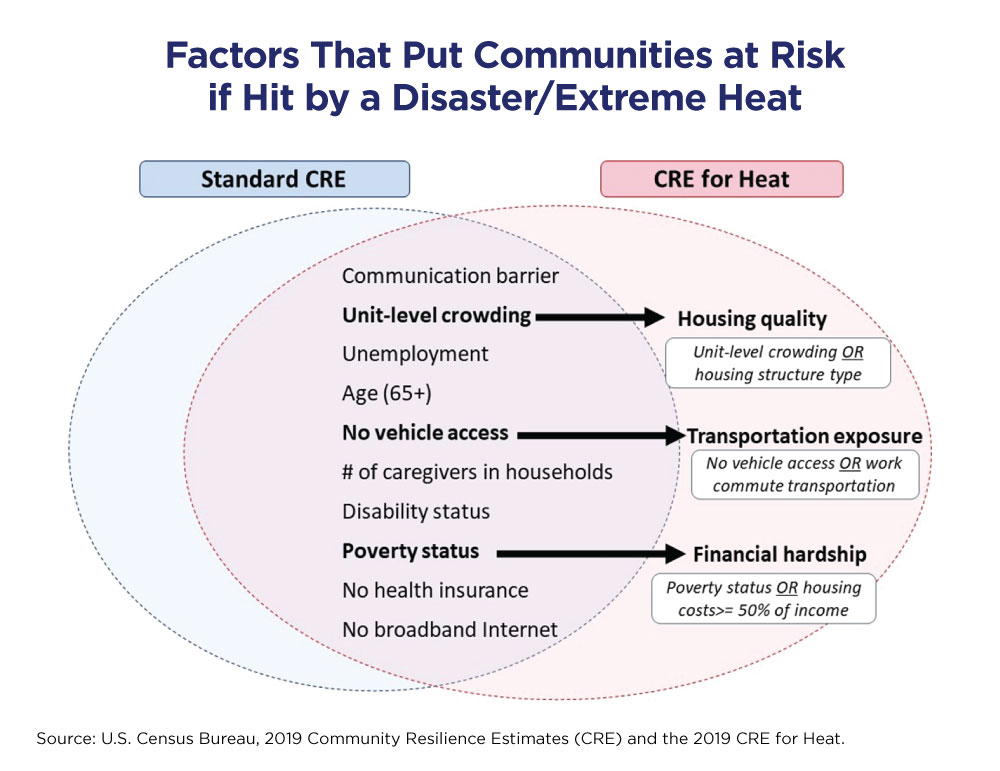
- The 2016 EPA Report finds that children, the elderly, people with prior health issues, and those with lower socioeconomic status are more vulnerable to health effects from extreme heat. According to the U.S. Census Bureau estimates, this would include nearly a Quarter of the U.S. population. (U.S. Census Bureau)
- Recent Granite State Poll data shows that the majority of New Hampshire residents feel summers are warmer than they used to be now than two decades ago. (Granite State Poll)
Heatwave of 2024
In June and July of 2024, Portsmouth endured an intense heatwave. What made this even more disruptive was an ongoing local drought which can inhibit local ecosystems, groundwater and soils from providing cooling services.
Impacts from extreme heat events and consistently warmer summers in Portsmouth have raised concerns about our community’s vulnerability in the summertime. This leads to an intensified effort to study heat resiliency – the City is looking to examine existing infrastructure and how it can be improved as well as developing plans for resilience services.
Why Heat Resiliency?
Extreme heat is the leading cause of weather-related deaths in the U.S., and New Hampshire health data shows that heat stress significantly increases risks for children, older adults, people with existing health conditions, and residents with fewer resources. Nearly one quarter of the US population falls into these categories, which makes studying heat resiliency necessary to ensure the health and safety of Portsmouth residents.
What are some popular community cooling strategies?
Cooling Through the Built Environment
- Cool roofs and cool paving - High‑albedo materials reflect more sunlight and absorb less heat, lowering surface and air temperatures. EPA and climate‑integrity reports highlight these as cost‑effective and energy‑saving.
- Green roofs - Reduce building temperatures, cut cooling costs, and improve stormwater management.
- Permeable or porous pavements - Reduce heat storage and allow evapotranspiration, which cools surrounding air—especially important in smaller cities like Portsmouth.
- Upgraded public building cooling systems - Schools, municipal buildings, and emergency facilities will need improved AC and energy‑efficient systems.
Cooling Through Nature
- Tree planting, providing tree canopy and expanding groundcover and vegetation
- Urban greening of streets, parks, and public spaces
Cooling Through City Planning & Policy
- Zoning and development regulations requiring:
- Shade trees in new developments
- Heat‑resilient building materials
- Reduced impervious surfaces
- Incentives for cool roofs and green infrastructure
- Long‑term planning for hotter summers, cooling days, and increased energy demand.
- More shaded bus stops, walkways, and public spaces.
Targeted Public Health Measures
- Cooling centers in accessible locations, with extended hours during heat advisories.
- Tracking and outreach to high‑risk individuals, as recommended by public health agencies.
- Affordable or subsidized air conditioning programs for low‑income households and public housing.
- Heat‑advisory policies similar to NH’s Excessive Heat Advisory thresholds (95°F for two days or 100°F for any duration).
Infrastructure & Neighborhood Improvements
- Prioritizing ‘greening’ strategies such as tree planting and shade structures in low‑income and high‑heat neighborhoods.
- Upgrading aging infrastructure in areas where socioeconomic vulnerabilities are clustered.
- Ensuring new developments include heat‑resilient designs.
At Home
- Increase your percentage of greenspace by planting shade trees, removing impervious surfaces and maintaining and increasing vegetation on your property
- Choose light‑colored or reflective roofing and paving materials
- Reduce paved surfaces by using permeable driveways, walkways or patios
- Improve home insulation to reduce cooling needs
Protecting You and Your Neighbor’s Health During Extreme Heat Events
- Stay in air‑conditioned spaces during extreme heat if possible
- Drink more water and avoid alcohol or sugary drinks
- Wear lightweight, light‑colored clothing
- Avoid direct sun during the hottest part of the day
- Avoid strenuous activity
- Check on neighbors who may be at risk
- Never leave a child or a pet in a hot car
- Stay informed by following local weather alerts for storm and heat safety updates (sign up for Smart911 for emergency alerts)
The State of New Hampshire offers more detailed guidance to help beat the heat.
Other resources
- Project Cool Air - If you or someone you know does not have air conditioning check to see if they qualify for Project Cool Air which provides a free air conditioner to those who meet the criteria.