Understanding Portsmouth's Drinking Water Quality
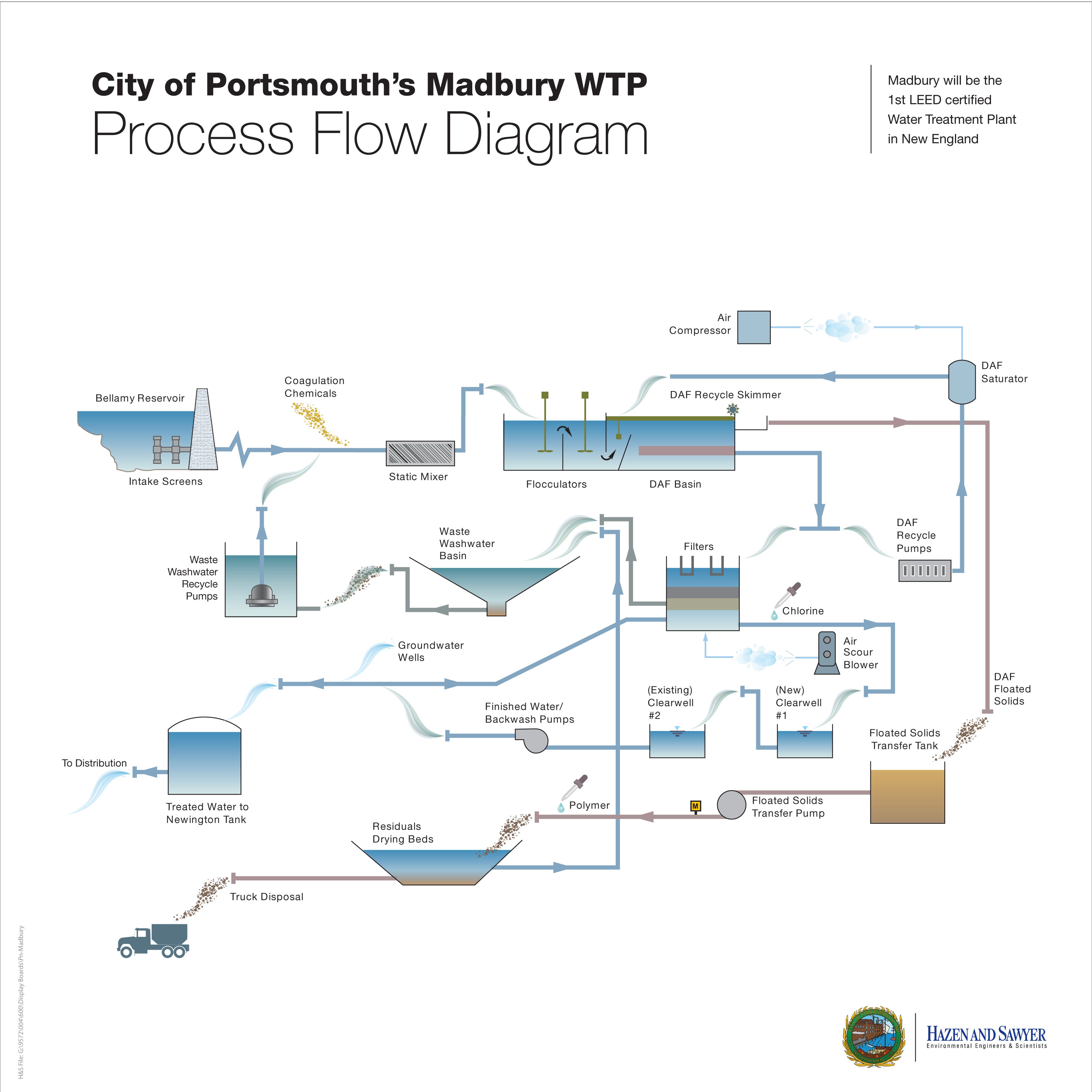
Providing safe, reliable drinking water requires continuous monitoring and treatment. Portsmouth Water Division staff routinely test for more than 90 regulated contaminants and water quality parameters to ensure compliance with all state and federal drinking water standards.
Water quality is naturally influenced by environmental conditions such as seasonal changes, rainfall, temperature, and runoff. As these conditions change, treatment processes are adjusted to maintain the highest standards of water quality and public health protection.
Portsmouth's water supply comes from a combination of surface water and groundwater sources. Approximately 70% of the City's drinking water is supplied by the Bellamy Reservoir, a surface water source, while the remaining 30% comes from groundwater wells. These sources have different water quality characteristics and require different levels of treatment.
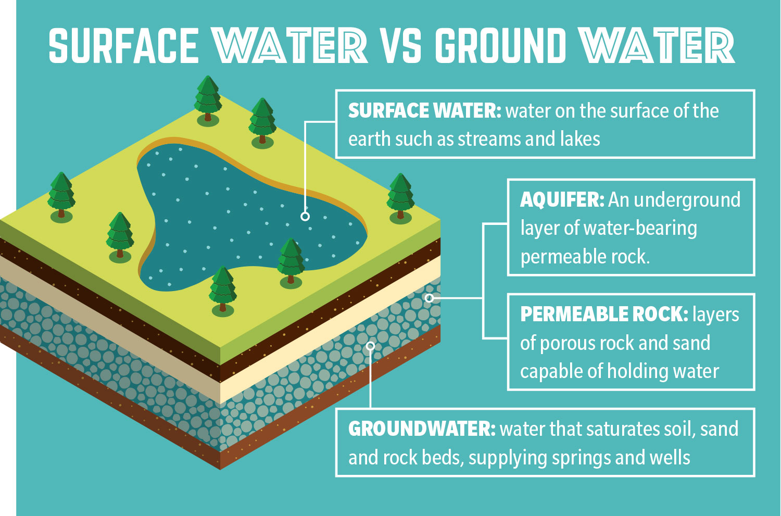
Surface water sources are more susceptible to changes caused by weather, runoff, and other environmental factors, resulting in greater fluctuations in naturally occurring substances such as microorganisms and organic matter. Groundwater, by contrast, is naturally filtered as it moves through soil and rock, generally resulting in more stable water quality and lower levels of organic material. However, groundwater often contains higher concentrations of naturally occurring minerals that can affect water's taste, appearance, or hardness.
Because Portsmouth uses both surface water and groundwater sources, customers may occasionally notice characteristics associated with naturally occurring minerals. These conditions do not typically pose a health risk and are carefully monitored by the Water Division.
The City of Portsmouth's drinking water consistently meets all state and federal water quality requirements. Water quality is monitored throughout the treatment process and distribution system to ensure safe, high-quality drinking water is delivered to homes and businesses every day.
FAQs & Solutions to Common Water Quality Concerns:
Why am I noticing changes in my water quality when I am served by a regulated public water system (PWS)?
Minimal water usage throughout your home, neighborhood, or along the street you live on has a drastic effect on the quality of water exiting your faucet(s). Stagnant water that is not replaced by freshly treated water can lead to taste and odor issues, as well as discoloration if enough time has passed for naturally occurring minerals to precipitate and settle within your household plumbing. Dead end locations (homes at the end of a water main/supply line) often experience the worst of this issue because of the lack of flow-through and overall mobilization of freshly treated water.
Pipe age and material can also have an effect on your water quality as it gradually corrodes over time. The Portsmouth Water System adds a corrosion inhibitor (ortho-phosphate solution) to help coat and protect the inside of pipes, but the risk of leaching metals is never obsolete. Because the chemical, physical, and biological properties of water are so sensitive, there will always be a potential of quality degradation due to factors outside of the treatment facility.
Why is my water brown and discolored? Should I be concerned?
Occasional brown, yellow, or rusty-colored water is usually caused by naturally occurring minerals, such as iron and manganese, or sediment that has settled inside water mains. While this discoloration can be unpleasant, it is generally an aesthetic issue and does not typically indicate a health concern.
Discolored water is most commonly observed when water flow patterns change within the distribution system. This can occur during routine water main maintenance, firefighting activities, water main repairs, or the City’s hydrant flushing program. These activities help maintain water quality and system reliability but can temporarily stir up sediment that has accumulated in water pipes.

What should I do if my water is discolored?
If you notice discolored water, avoid using hot water until the discoloration clears, as this can draw sediment into your water heater. Run cold water from one or more faucets for several minutes and check periodically until the water runs clear.
If the discoloration occurred during nearby hydrant flushing, you may need to flush your home's plumbing by running cold water from faucets, showers, and outdoor spigots for 10 to 15 minutes. This helps remove any sediment that may have entered private plumbing and replaces it with freshly treated water from the distribution system.
If your water remains discolored for an extended period or if you have concerns about its quality, please contact the Portsmouth Water Division for assistance.
Why is a black substance building up around my faucets, showerheads, or other fixtures?
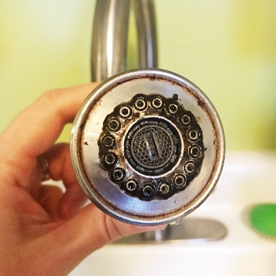
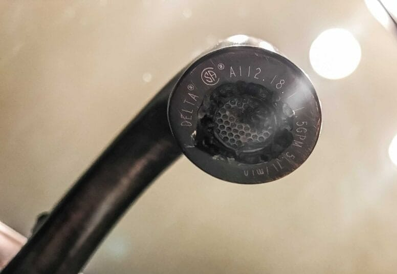
A black or dark-colored buildup around faucets, showerheads, drain areas, or inside toilet tanks is often caused by naturally occurring manganese in the water. Manganese is a common mineral found in many groundwater sources and can accumulate over time on plumbing fixtures as it reacts with oxygen.
In some cases, the black residue may also be associated with naturally occurring microorganisms that use manganese as a food source. These organisms can create a dark-colored coating on damp surfaces where water is regularly present.
While the buildup can be unsightly, it is generally an aesthetic issue and does not indicate that the water is unsafe to drink. Portsmouth's drinking water continues to meet all state and federal water quality standards, and remains below the EPA's secondary Maximum Contaminant Level (MCL) for manganese (<0.05 mg/L).
What can I do to remove it?
The residue can usually be removed through routine cleaning. Fixtures, sinks, showerheads, and toilet tanks can be cleaned using common household cleaners designed to remove mineral deposits. For stubborn buildup, a solution of hydrogen peroxide or a bathroom cleaner approved for mineral staining may be effective.
Regular cleaning and occasional removal of faucet aerators and showerheads for cleaning can help prevent buildup from recurring. Soaking removable aerators and showerheads in white vinegar for at least 30 minutes also works well. If you notice excessive staining or have concerns about your water quality, please contact the Portsmouth Water Division for assistance.
Who can I contact to learn more information about Portsmouth's water quality?
- Mariah Habershaw - Water Quality Specialist II - mlhabershaw@portsmouthnh.gov / (603) 501-9308
- Mason Caceres - Assistant Water Resource Manager - mecaceres@portsmouthnh.gov / (603) 312-3804